
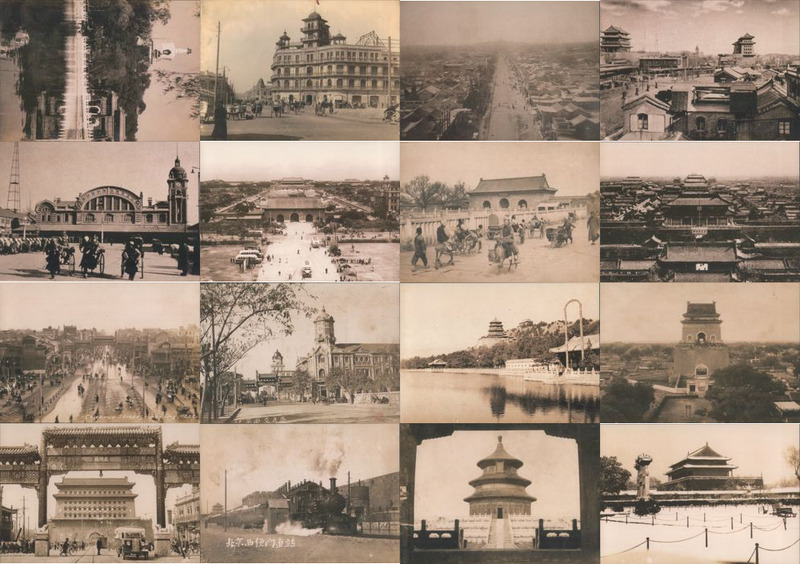
Set of 16 Beijing Vintage Views (Reproductions)
















Additional Details:
|
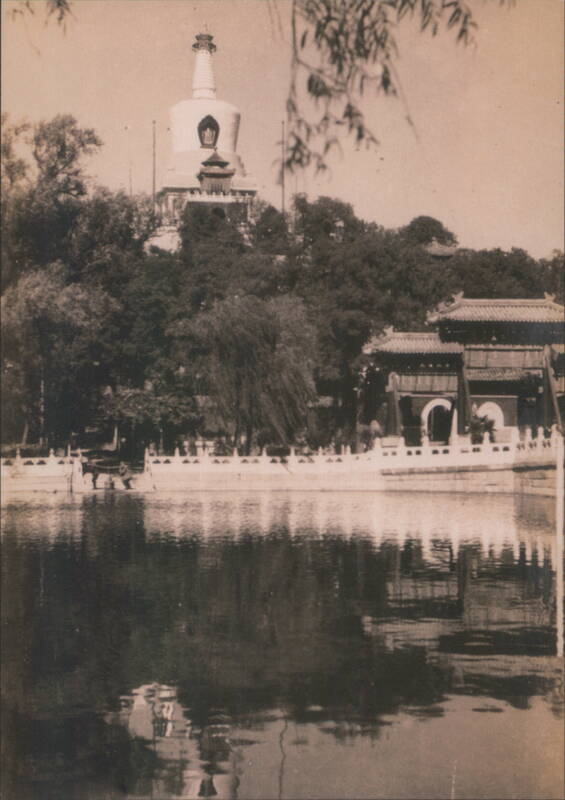
Beihai Park White Pagoda, Jade Islet, Beijing, China
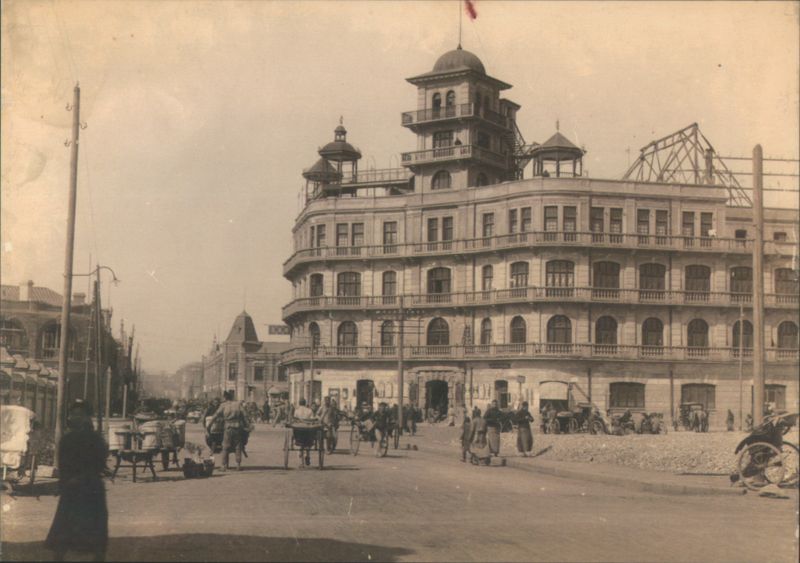
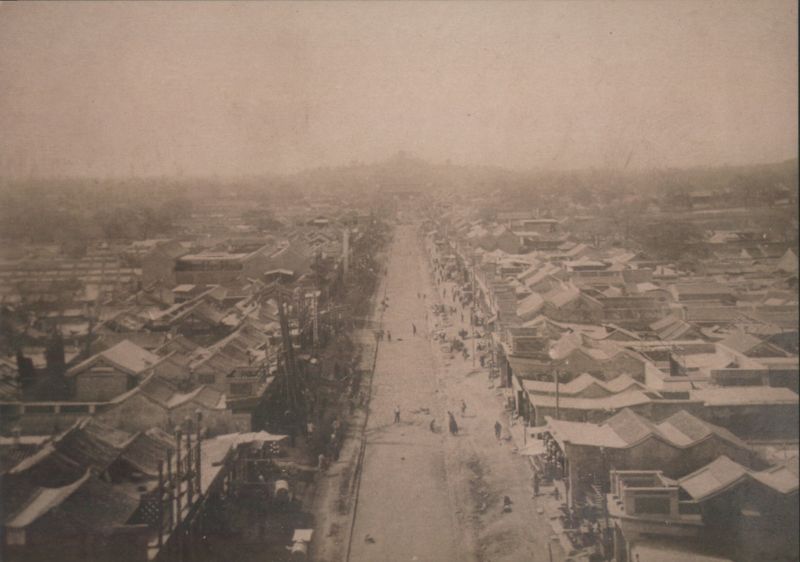
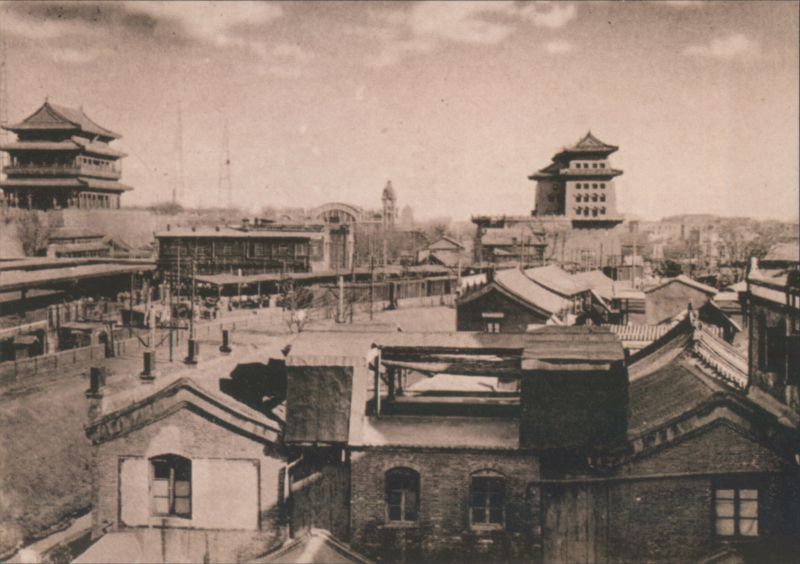
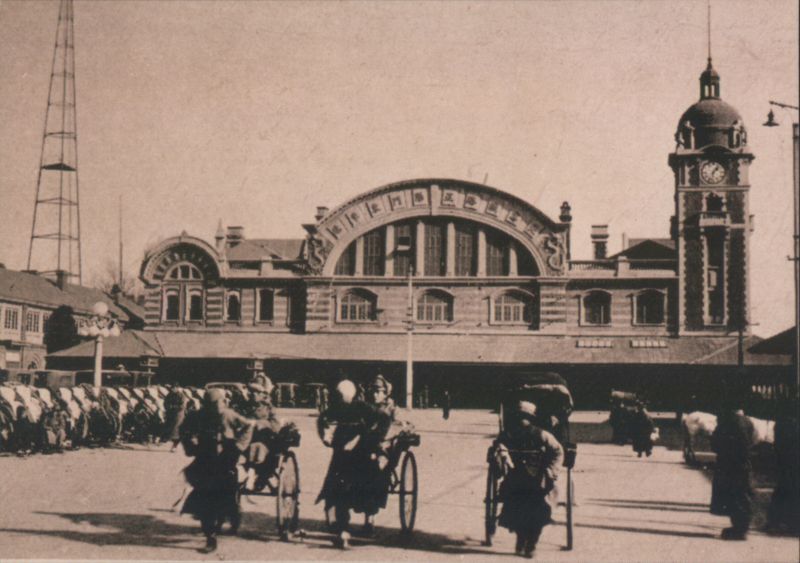
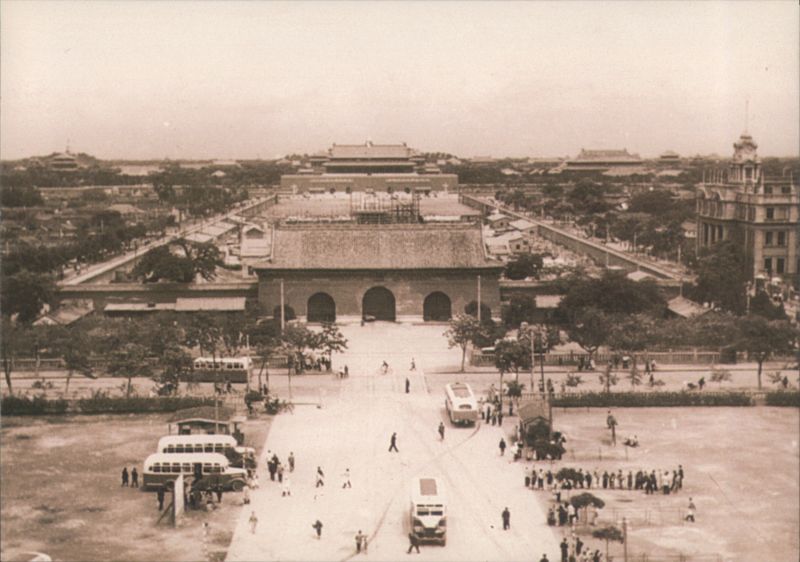
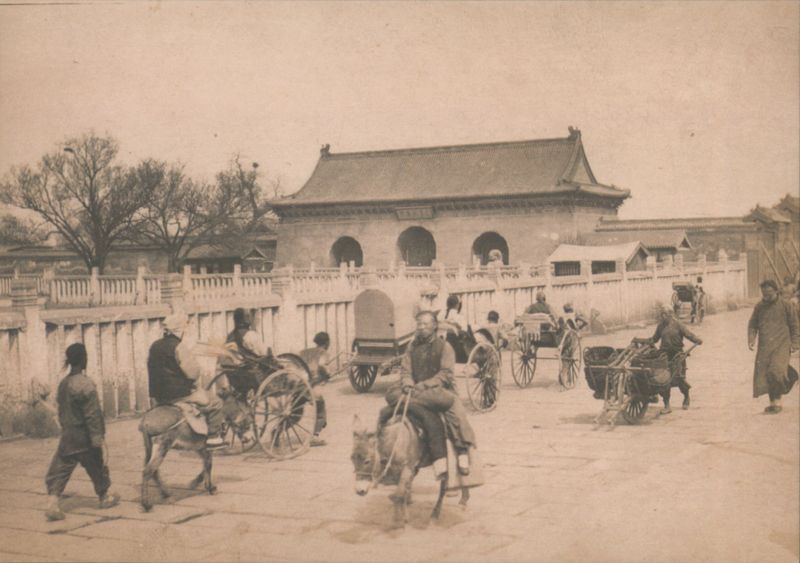
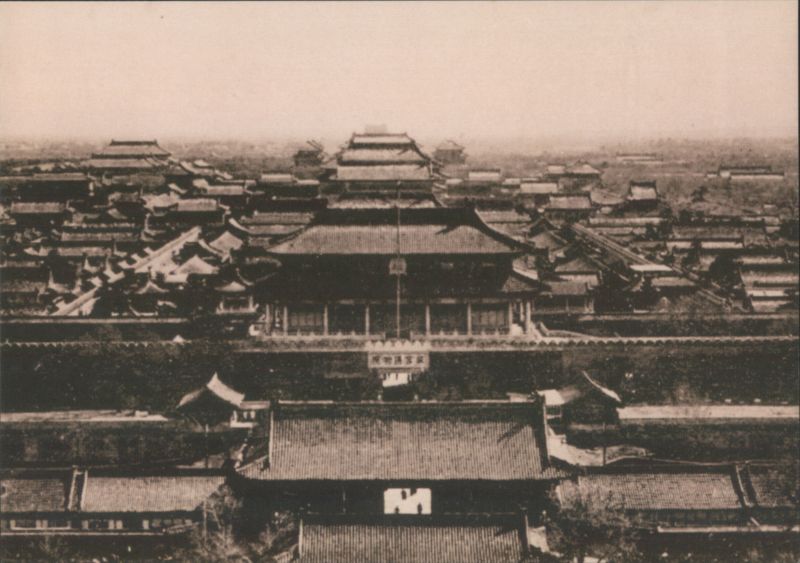
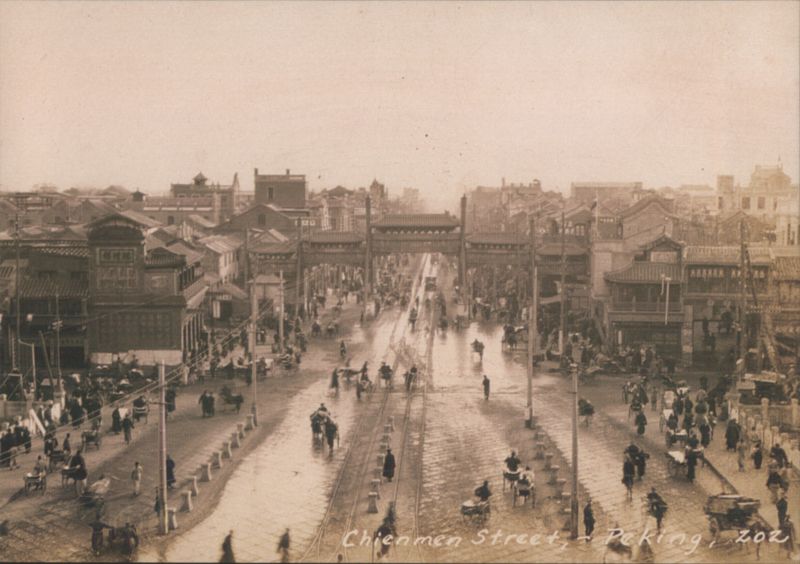
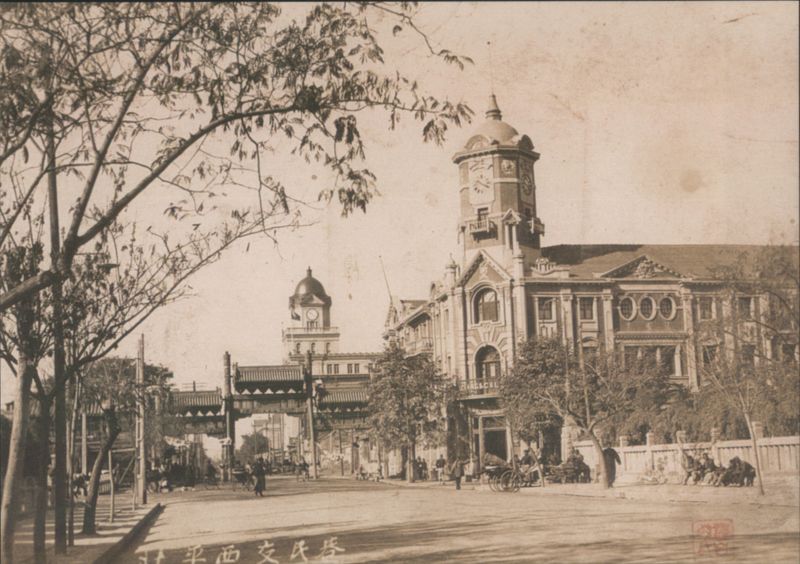
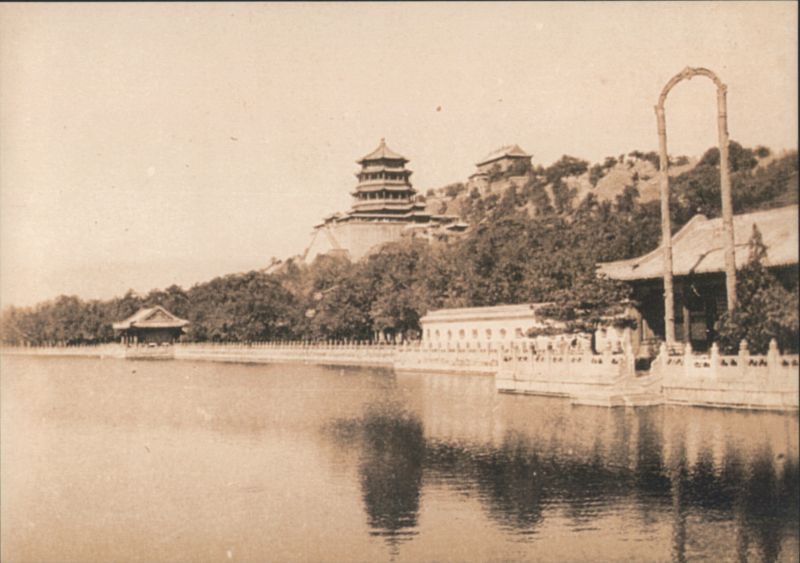
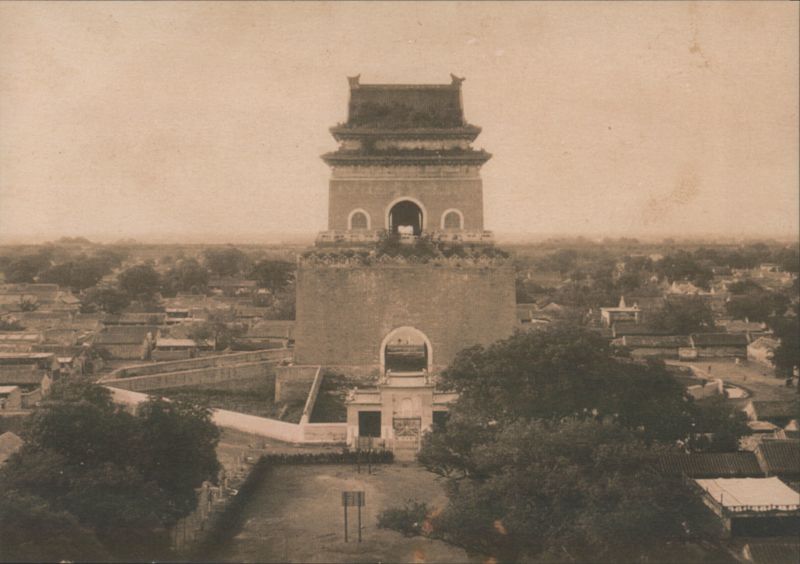
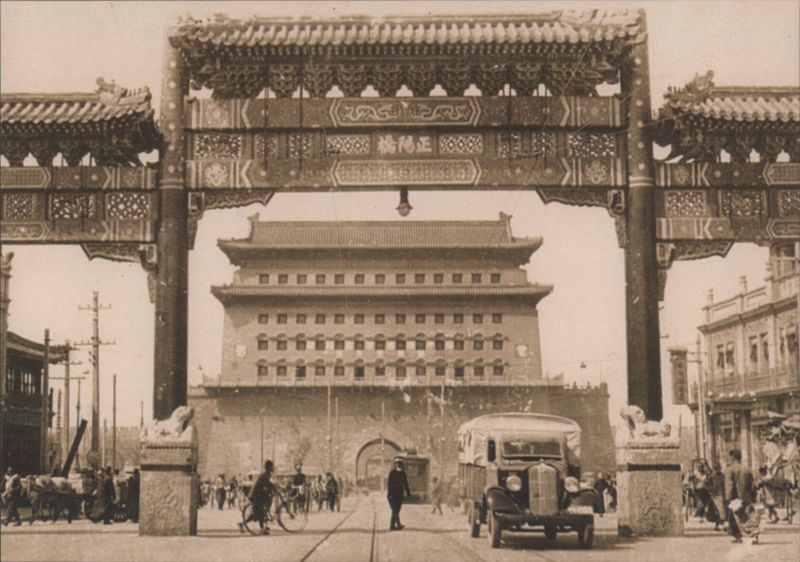
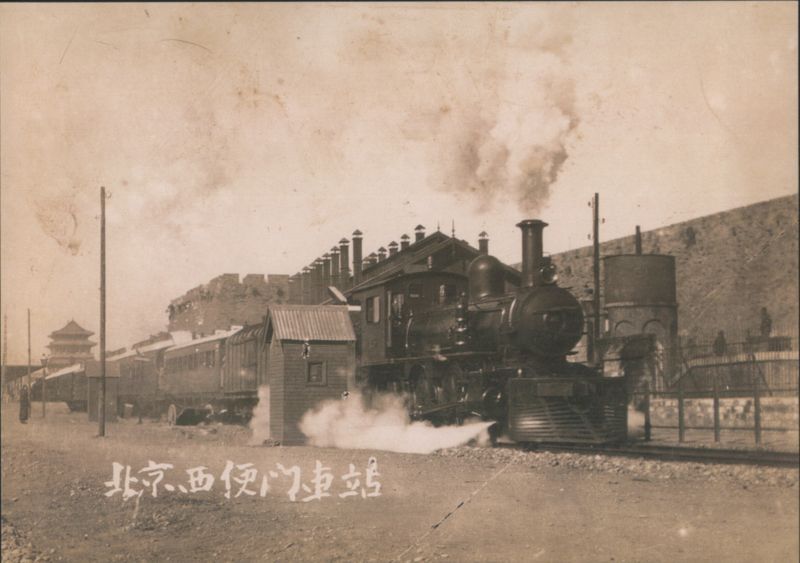
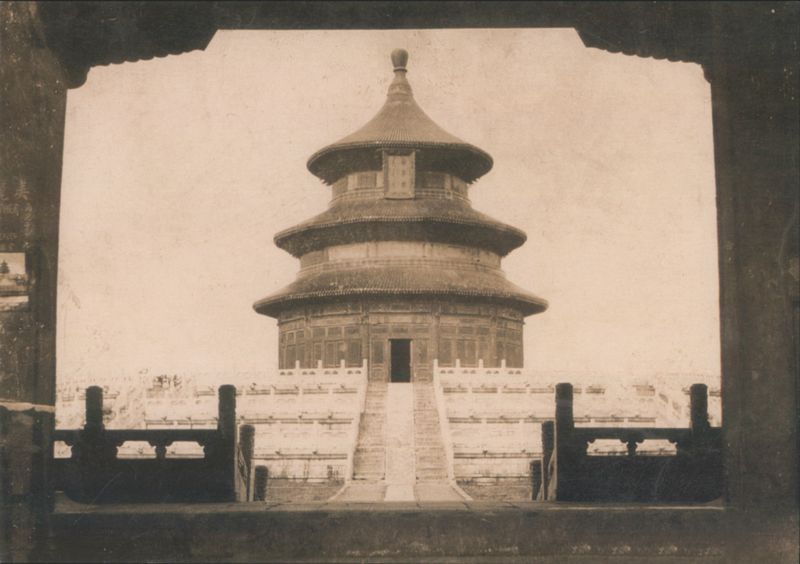
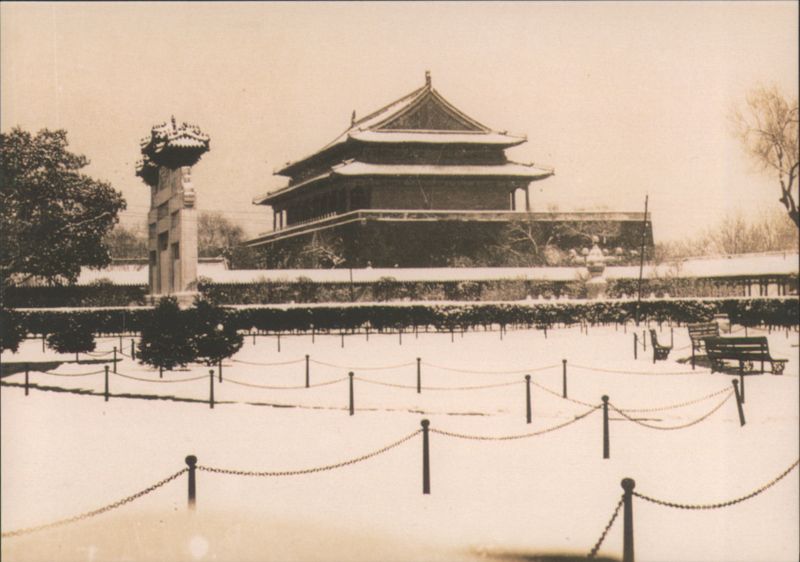
The White Pagoda on Jade Islet, built in 1651 during the Qing Dynasty, reflected in the lake at Beihai Park. New World Amusement Plaza, Beijing, 1914 New World Amusement Plaza was constructed in 1914 on the Xiangchang Road. This five-story circular plaza had been the largest new-style construction and the most popular recreational center in Beijing until its shutdown in 1920s after the fire. Gate of Earthly Peace Outer Street, Beijing, Qing Dynasty Lying on the north-south central axis in Beijing, the Gate of Earthly Peace Outer Street is home to a great number of historic sites and has been a well-known business quarter since Yuan Dynasty. South Facing Gate from East, Beijing, Republic of China A view of South Facing Gate from the east in the Republic of China Era, with Eastern and Western South Facing Gate Stations, the South Facing Gate Station area used to be Beijing's major gateway to the outside world, which had contributed to the city's commercial development and prosperity in a significant way. Qianmen Railway Station, Beijing, China, Republic of China Era The former Eastern South Facing Gate Station of Beijing-Shenyang Railway. Built in 1901, it was the largest railway station in Beijing from Late Qing to the foundation of P.R.C. Zhengyangmen Gate, Tiananmen Square, Beijing A view of the Chessgrid Street from the South Facing Gate: south of the Gate of Supreme Harmony used to be the Great Qing Gate. Between the two gates lay a T-shape square which was flanked by high palace walls. Outside these walls were various central governmental institutions. Great Qing Gate, Beijing - Street Scene with Carts The Great Qing Gate, formerly known as the Great Ming Gate, with Chessgrid Street and the Thousand-step Corridor. Forbidden City Panoramic View, Republic of China Era A panoramic view of the Forbidden City in the Republic of China Era, as the best preserved and the largest ancient architectural complex in China, the Forbidden City was built from 1406 to 1420, and experienced multiple extensions and renovations during Ming and Qing Dynasties. Chienmen Street, Peking with Gate Qianmen Street in the Republic of China Era, as the former Lizheng Street in the Yuan Dynasty. Qianmen Street was renamed South Facing Gate Street in Ming Dynasty, but was commonly referred to as Qianmen Street. Eastern entrance of Xiaojiaominxiang Lane, Beijing, 1930 Eastern entrance of Xiaojiaominxiang Lane in 1930. Xiaojiaominxiang Lane had been Beijing's financial street in Late Qing and the Republic of China Era. Summer Palace, Lake View with Pagoda and Archway Summer Palace was the summer resort where the Qing emperors attended to the political affairs, expanded on the base of Ming's imperial gardens in the fifteenth year of Qing's Qianlong Era (1860). Historic Bell Tower, China The Bell Tower, originally constructed in the Yuan Dynasty, was used by Ming and Qing governments to ring twice daily for timekeeping until it fell out of use in 1924 due to the popularization of watches and bells. Qianmen Five Archways & Zhengyangmen Gate Tower Qianmen Five Archways in the Republic of China Era. Built in Zhengtong Era in Ming Dynasty. Five Archways was the official wooden archway at that time due to Qianmen's status as the frontmost gate of the nine gates and the 'national gate'. Steam Train at Xibianmen Railway Station, Beijing Train leaving the Western Informal Gate loop railway line of Beijing, which was finished in 1916 with a total length of fifteen kilometers, passing six railway stations including Kizhimen Gate, Deshengmen Gate, Gate of Stability, Dongzhimen Gate, Sun Facing Gate and Eastern Informal Gate Railway Stations. Hall of Prayer for Good Harvests, Temple of Heaven The Hall of Prayer for Good Harvest was firstly named the Hall of Great Sacrifice in the eighteenth year of Ming's Yongle Era (1420) and was renamed the Hall of Prayer for Good Harvest by Qing's Emperor Qianlong in 1753. Gate of Heavenly Peace from Zhongshan Park, Snow Zhongshan Park used to serve as the Altar of Land and Grain for imperial sacrificial rituals during Ming and Qing Dynasties. |

